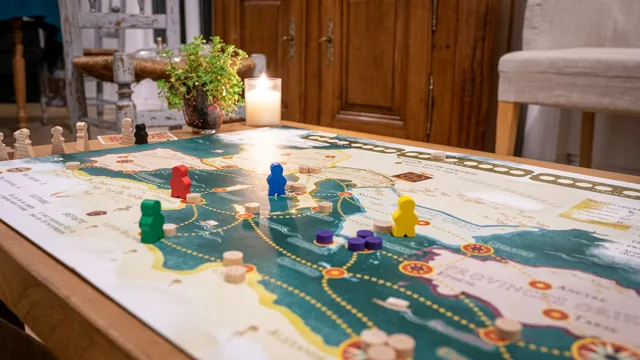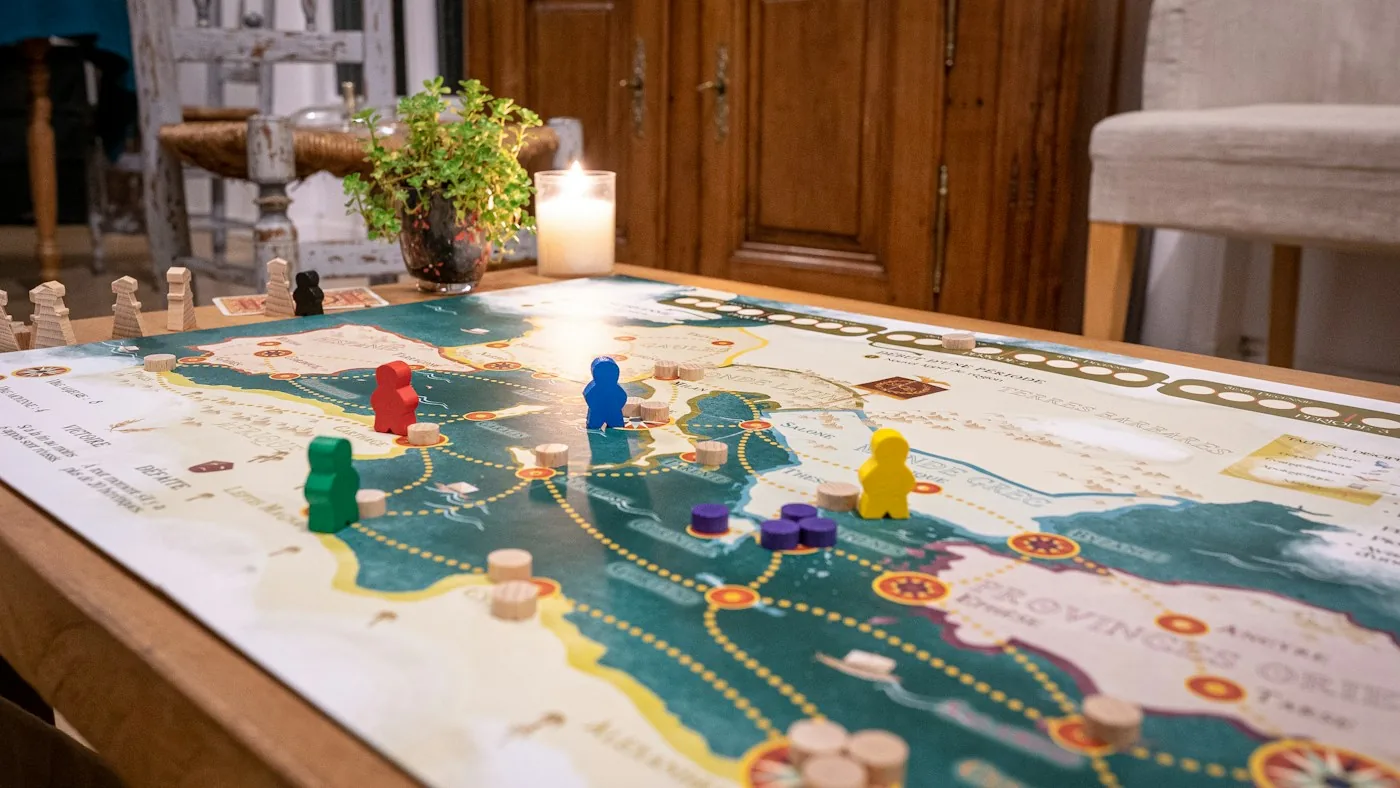
In a cooperative game, the group works toward a shared result. The useful question is how that cooperation happens: open discussion, divided responsibilities, hidden information, simultaneous action, or a campaign that carries decisions into later sessions.
What to compare
Room to contribute
Look for decisions that each player can own. If one experienced person can direct every move, agree how you will give quieter players time to think.
Difficulty and failure
Check how difficulty is adjusted and what a loss means. A short reset, a replayed scenario, and a lost campaign resource ask different things of the group.
Information sharing
Read the communication rules before choosing. A game with limited speech or private cards may feel very different from an open discussion puzzle.
A detail worth checking
Cooperative does not automatically mean easy, quiet, suitable for young children, or free of pressure. Read the specific rules and content guidance rather than treating the label as a promise.
Make your next session easier
Choose a first scenario together, let one person learn the setup in advance, and leave time to talk through the first few turns without rushing.