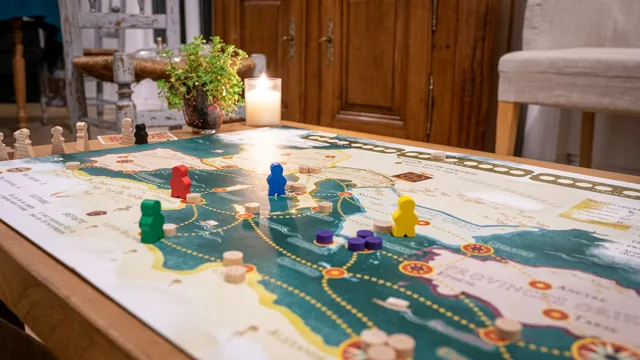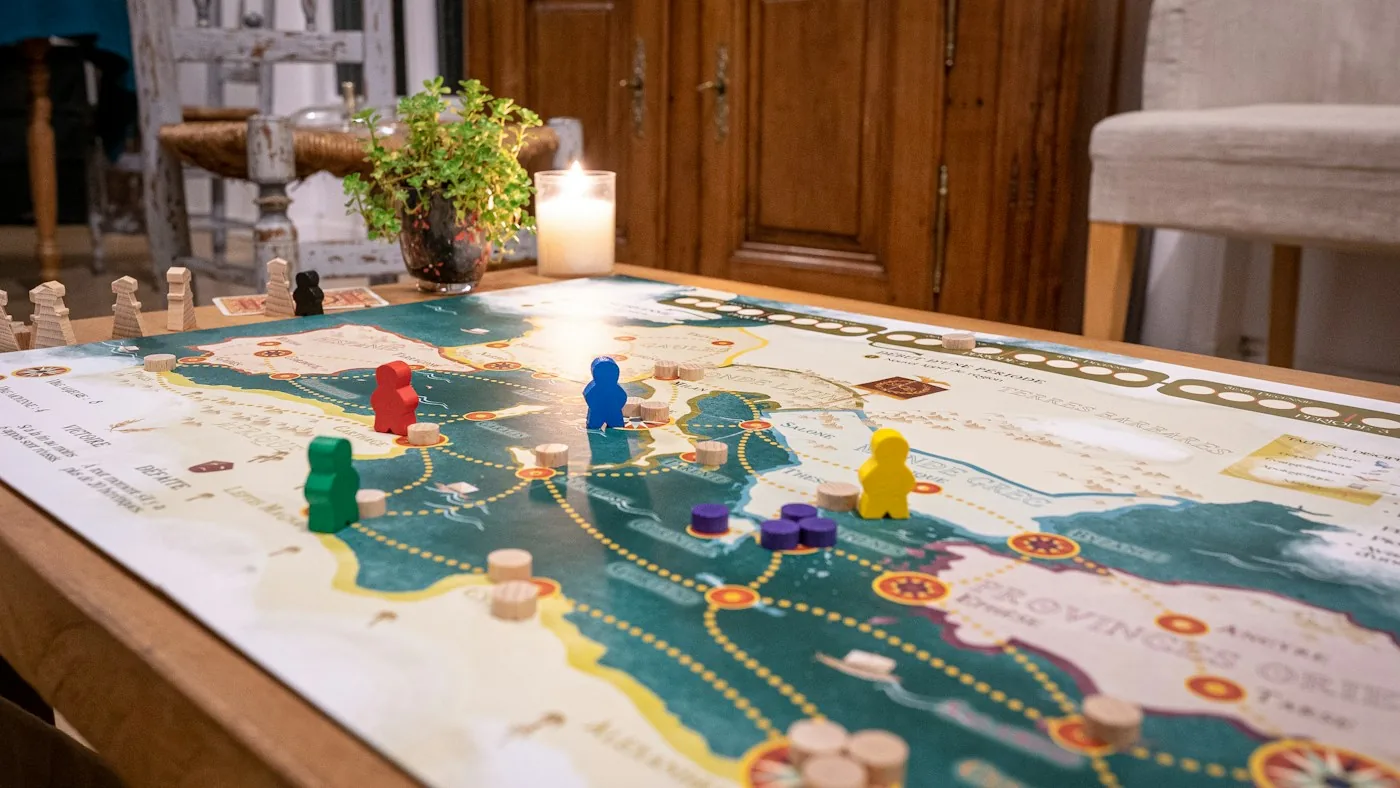
A smooth first game starts before the opening turn. Identify the edition, find the official rulebook, and separate setup from the decisions players will make. Teach enough to begin confidently while keeping a reference ready for the details.
What to compare
Goal first
Explain what players are trying to accomplish and how the game ends. Connect each later rule to that goal so players can judge why an action matters.
A worked turn
Walk through one legal turn using the real pieces. Show costs, choices, consequences, and the moment control passes to the next player.
Reference and exceptions
Keep the rulebook and player aids accessible. Note the page for recurring questions instead of relying on a remembered answer from a different edition.
A detail worth checking
A shortened explanation is helpful only if it preserves the rules that affect decisions. Do not silently introduce house rules during a first play and then blame the game for the result.
Make your next session easier
Set up the starting state in advance, announce that the first round is a learning round, and choose whether obvious first-turn mistakes can be taken back.