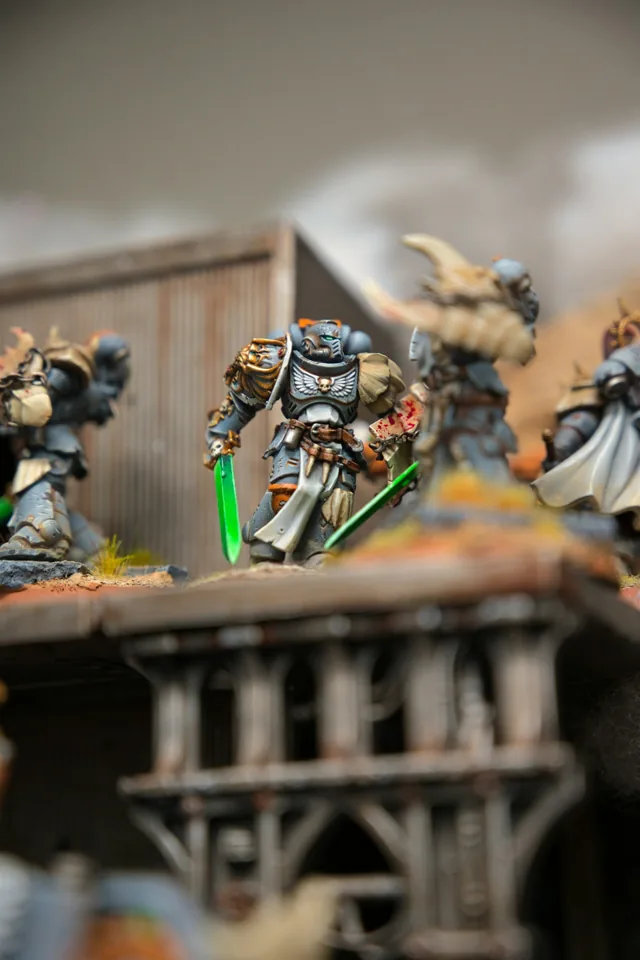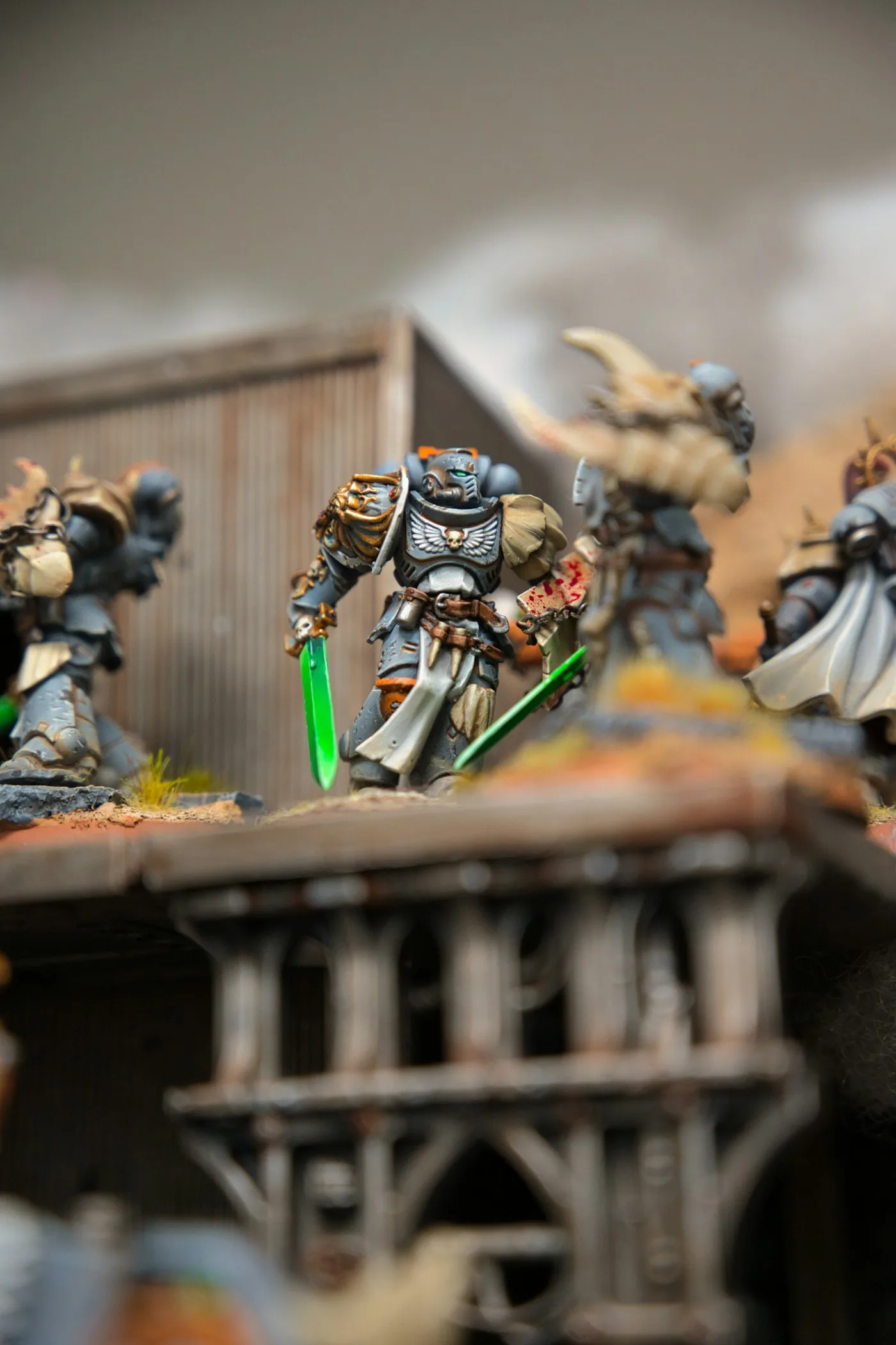
Terrain should create a playable battlefield as well as an attractive one. Start with the scenario and rules: line of sight, movement, cover, objectives, and model placement determine which pieces are useful.
What to compare
Rules function
Agree what each terrain feature represents before playing. Define boundaries and effects so a decorative piece does not create an argument mid-game.
Physical usability
Check whether bases can stand where the rules allow, whether players can reach models, and whether fragile features interfere with movement.
Storage and flexibility
Choose a layout that can be rearranged and stored within your available space. Measure both assembled scenery and its packed form.
A detail worth checking
A photograph of a dense table does not establish a balanced layout for your game. Use the chosen scenario and system guidance to determine placement.
Make your next session easier
Build one supported scenario layout, note the footprint of each piece, and add terrain only when it improves the games your group is playing.