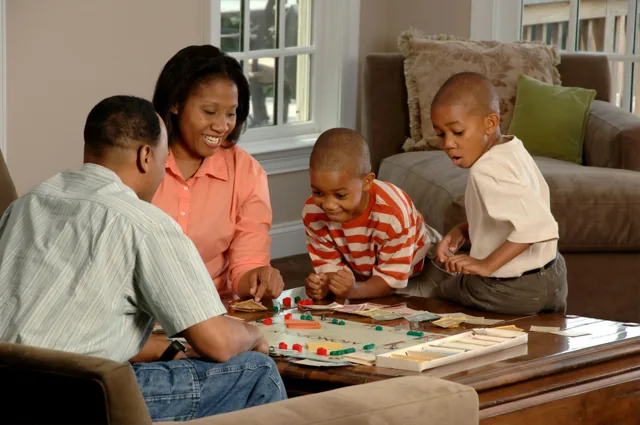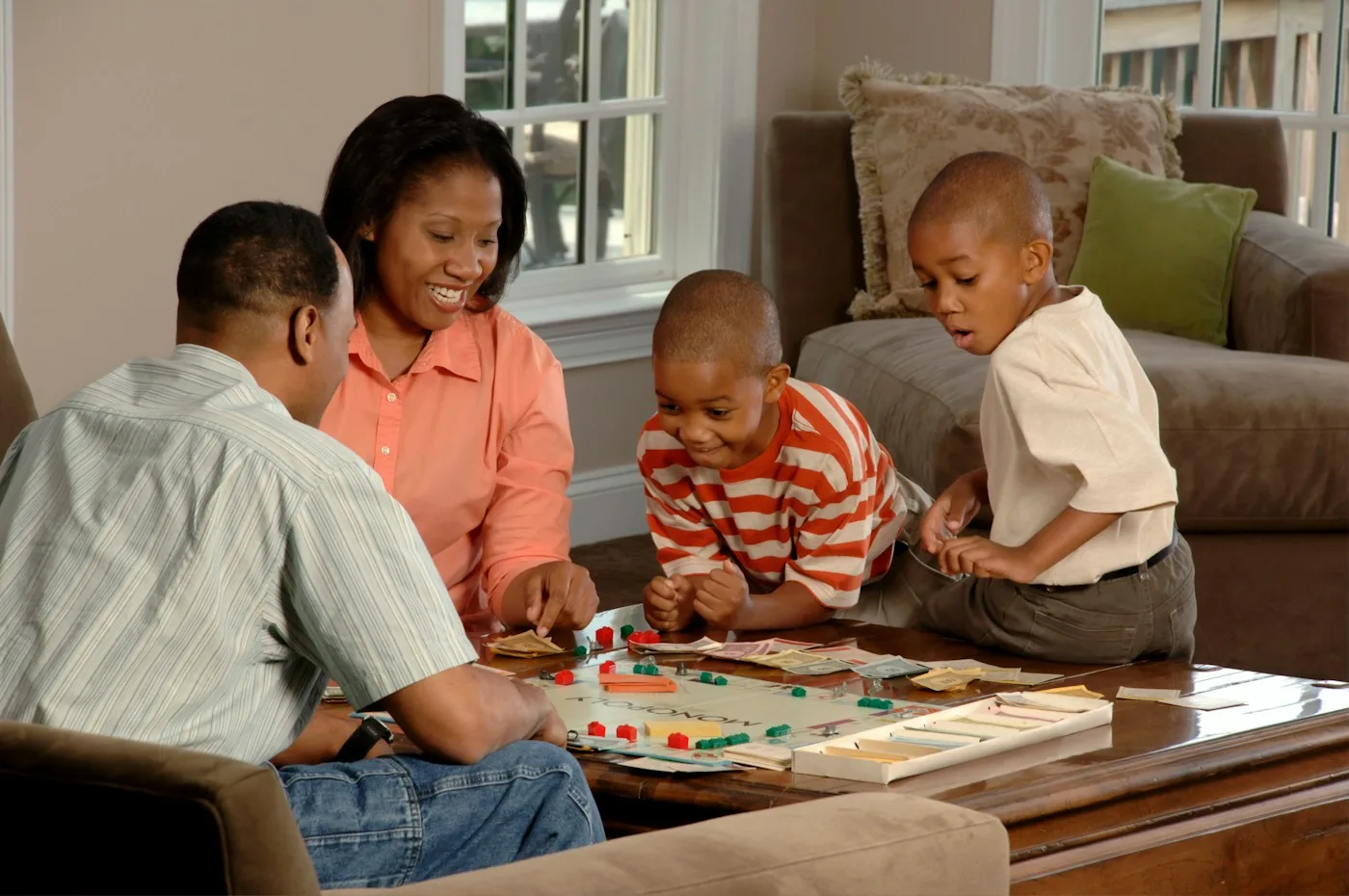
Cooperative family play can make it easier to share a goal, but it still needs room for each person to contribute. Choose a game whose communication and decision structure fits the group.
What to compare
Who makes choices
Look for roles, private information, or turn ownership that gives each person something to decide. Agree that help should begin with a question rather than an instruction.
Pressure and failure
Check how the game signals danger and what happens after a loss. A timer, sudden defeat, or lasting campaign consequence may feel different to each player.
Teaching support
Consider whether the first round can be explained as you play and whether difficulty can be adjusted using the official rules.
A detail worth checking
Cooperation does not remove every source of frustration. A difficult shared puzzle can still create pressure if one player feels responsible for the outcome.
Make your next session easier
Choose a first scenario together and make room for everyone to explain an idea. Review what worked before increasing difficulty or adding extra systems.