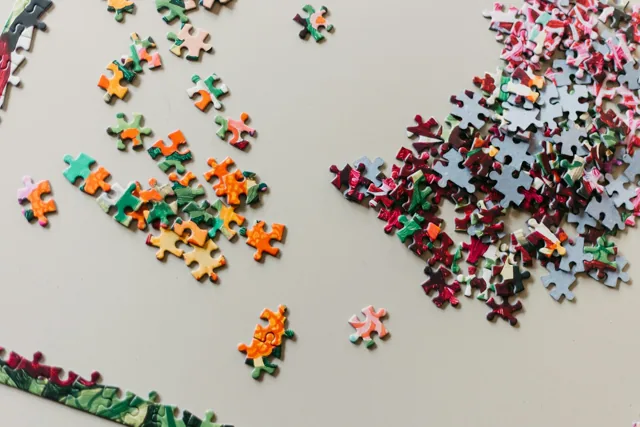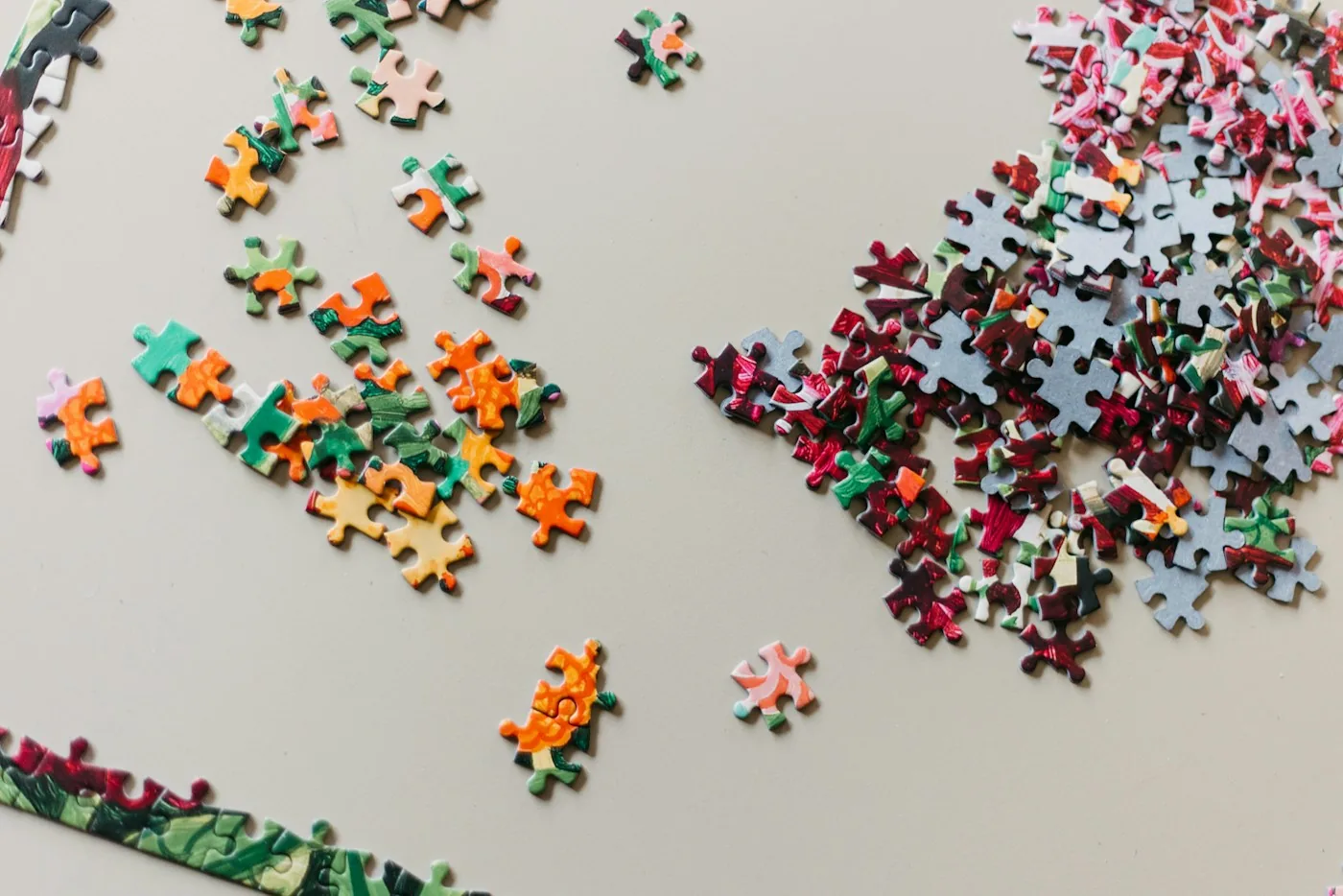
Logic puzzles offer different kinds of reasoning: arranging objects, satisfying constraints, interpreting clues, or eliminating possibilities. Choose a format that makes the information clear and the level of challenge enjoyable.
What to compare
Information format
Check whether clues are written, visual, numerical, or physical. Consider the reading and notation needed to keep track of possibilities.
Challenge progression
Look for a sequence or difficulty guidance that gives you a workable starting point. Treat difficulty labels as a guide rather than a universal measurement.
Reset and solutions
Check how answers are verified and whether hints are available. Understand whether pieces can be reset without exposing a later solution.
A detail worth checking
A difficult label does not explain what makes the puzzle hard. Dense text, a long chain of deductions, and an unfamiliar representation are different challenges.
Make your next session easier
Begin with one example at a comfortable level, keep a clear record of deductions, and use hints deliberately when the goal is learning a method rather than proving endurance.
Explore all Puzzles & Brain Games →