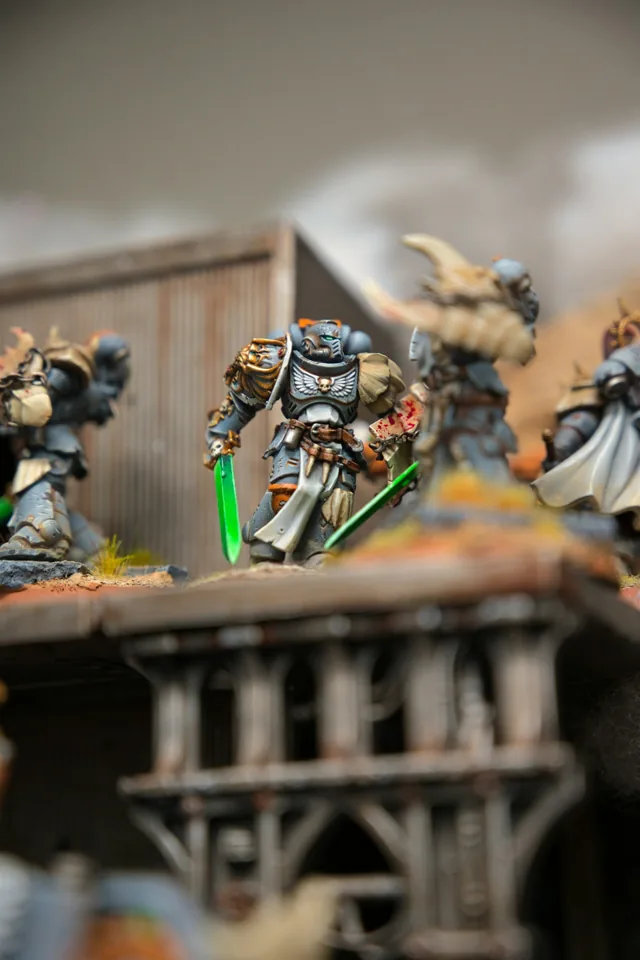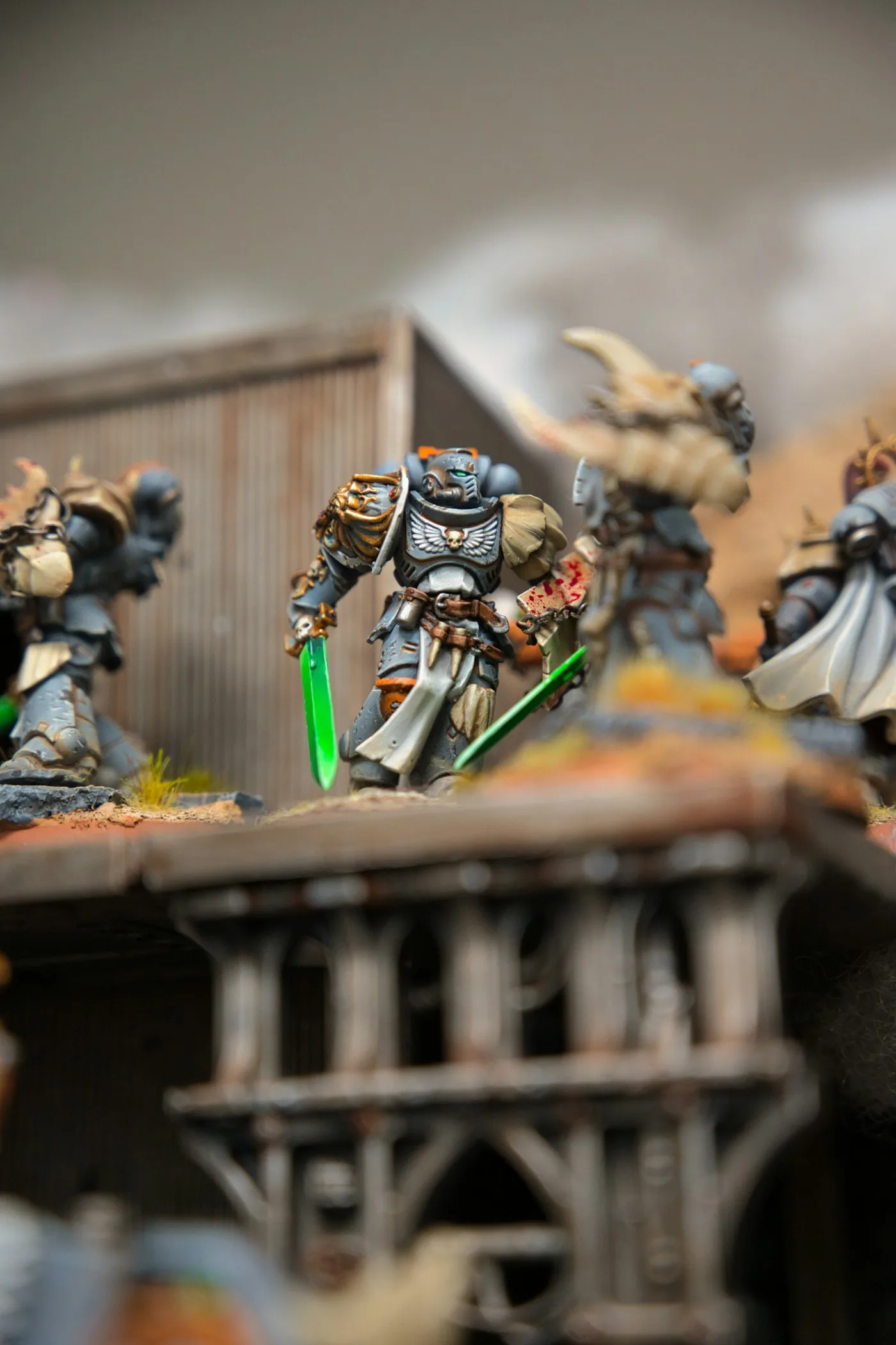
Buy miniature assembly tools for the operations your first kit actually requires. A large tool bundle can contain useful items, but the kit instructions are the best starting shopping list.
Inspect the build before buying tools
Check whether parts are on sprues, how attachment points are positioned, whether the model is push-fit and which adhesive is specified. Identify any material-specific cleanup. A simple plastic starter and a complex resin vehicle do not create the same tool needs.
| Operation | Tool category to consider | Condition |
|---|---|---|
| Remove plastic parts from a sprue | Suitable hobby clippers | Use a tool intended for the material and thickness. |
| Clean attachment points | Appropriate scraper, file or cutting tool | Follow the kit and tool instructions; do not remove sculpted detail. |
| Join parts | Specified adhesive or push-fit connection | Match the material and assembly sequence. |
| Hold a small part | Tweezers or another suitable holder | Avoid putting fingers at the contact or cutting point. |
| Modify a model | Specialist drill, saw or sculpting tools | Only when the chosen conversion actually requires them. |
Do not confuse a paint set with an assembly kit
Games Workshop’s July 2026 Paints + Tools announcement specifically lists a brush, clippers and a mouldline remover. The Army Painter’s Fanatic Starter Set instead lists painting contents and a miniature. The names do not prove that either package supplies every tool for your separate model. Compare their itemized inventories with the operations above.
The Army Painter’s preparation guide discusses different cleanup needs for plastic, metal and resin. Follow those material distinctions and the exact product directions rather than assuming any abrasive or cutter is suitable.
Keep the first setup manageable
A stable work surface, clear lighting and organized parts reduce mistakes more reliably than accumulating unfamiliar tools. Dry-fit pieces, keep the instructions visible and finish one subassembly before opening the next. Set aside optional conversion work until you understand the basic build. This is a practical workflow recommendation, not a claim that a particular kit has been assembled and tested here.
Sources and method
This is a researched decision guide. Product facts were checked against the primary sources below on November 2, 2026. Selection advice and worked examples are editorial reasoning. This guide does not include hands-on testing.