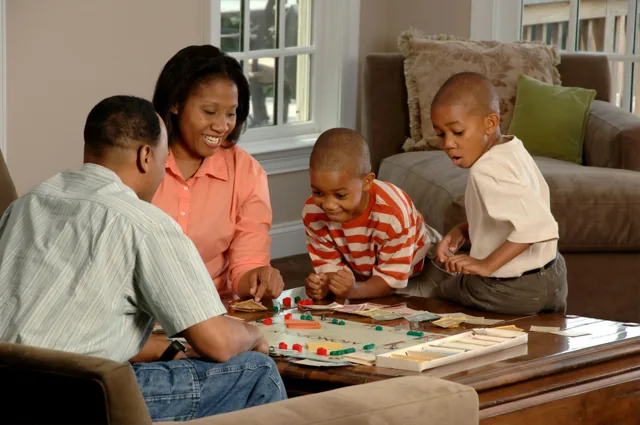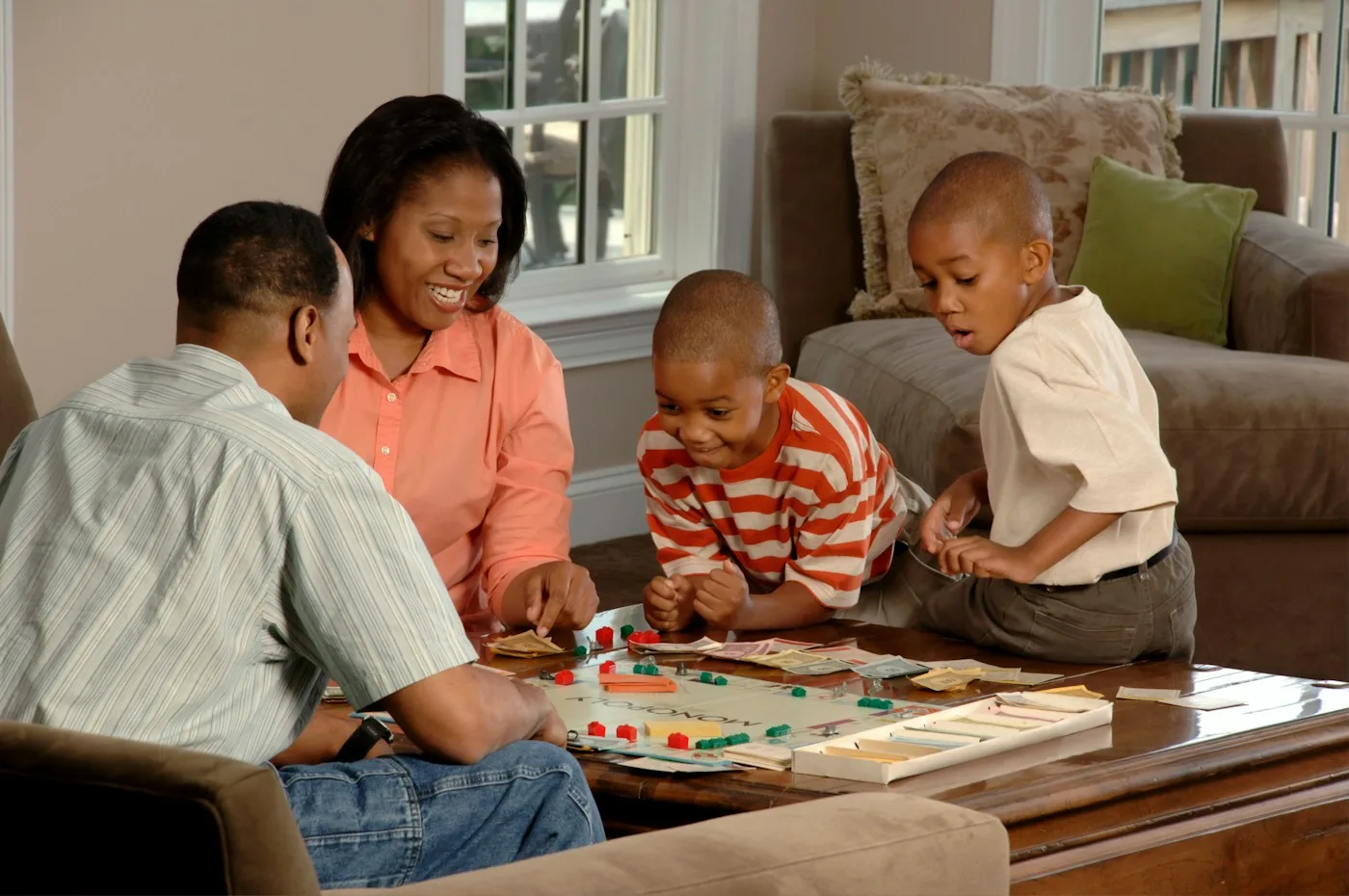
A mixed-age game works when everyone has a meaningful way to participate. Start by identifying the largest differences in reading, experience, pace, and physical handling, then choose a format that can accommodate them.
What to compare
Shared information
Consider whether public cards, open discussion, or team play makes assistance possible without exposing private information.
Balanced participation
Check whether experienced players can dominate decisions or whether the structure gives each person a role. Agree on help that preserves individual choices.
Comfortable pace
Compare turn length, waiting time, visibility, and component handling. Consider the oldest and youngest participants without assuming age determines every need.
A detail worth checking
A family label is not evidence that a game suits every generation. Read the actual rules and consider both the person teaching and the people learning.
Make your next session easier
Before starting, agree whether the session is competitive, cooperative, or focused on learning. Choose one shared rule source and a comfortable stopping point.