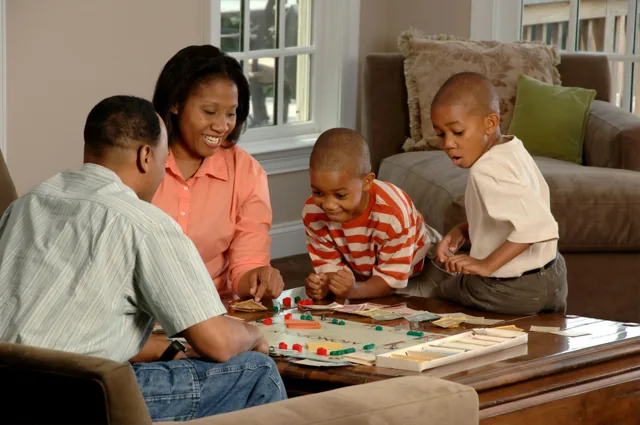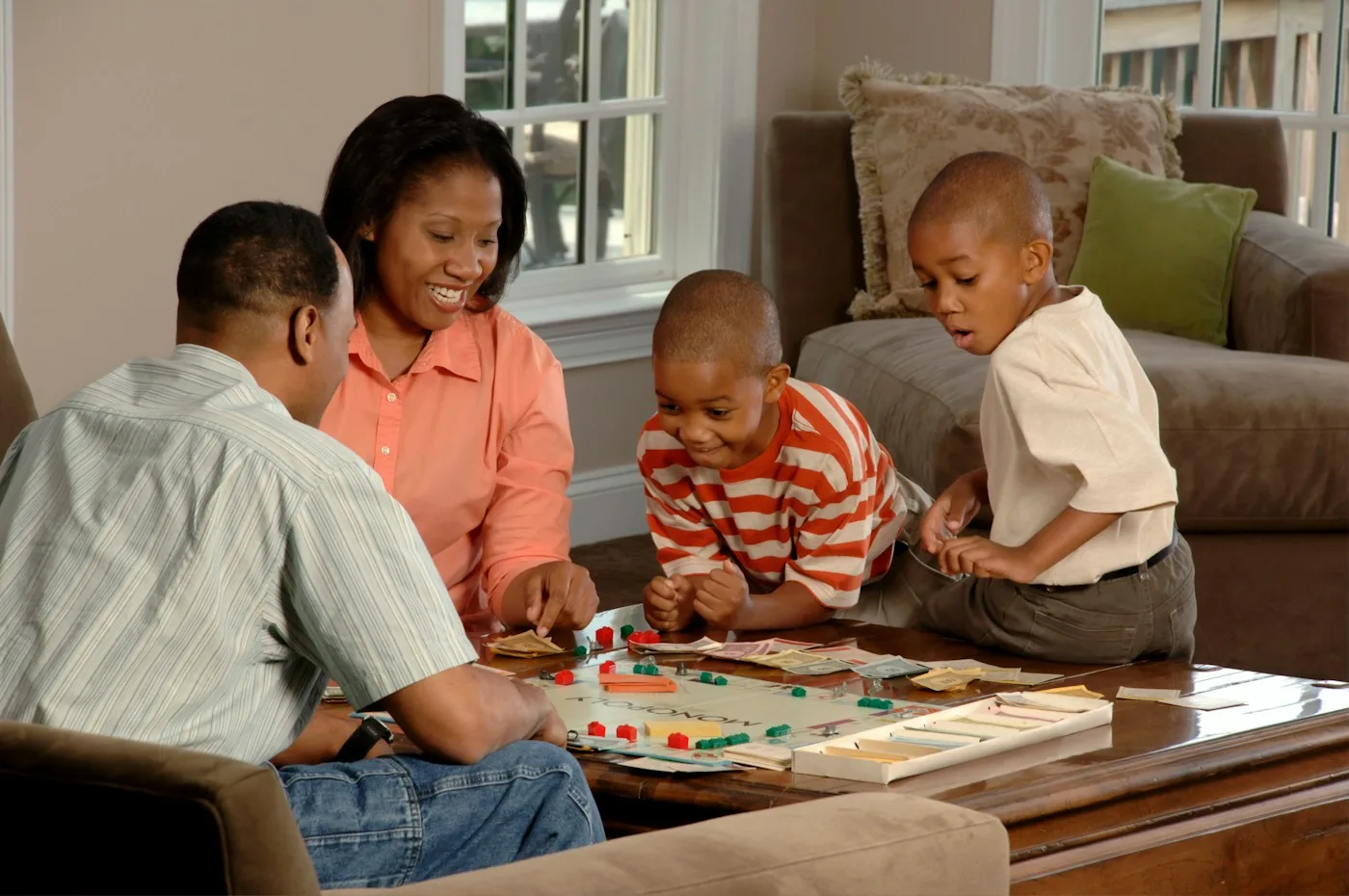
Choose preschool games around the child who will actually play: what they can comfortably handle, recognize, remember, and wait for. Manufacturer age guidance is a starting point, while adult involvement and the exact components also matter.
What to compare
Taking a turn
Look for a turn structure you can explain with a simple action. Consider how long the child waits and whether they can remain involved between turns.
Information demands
Check whether play relies on reading, counting, color recognition, matching, memory, or dexterity. Look beyond the age printed on the box.
Components and supervision
Review the exact manufacturer age and component warnings. Plan an appropriate play area and adult support for the children present.
A detail worth checking
Do not assume a game marketed as educational guarantees a learning outcome or suits every child of the same age. Treat suitability as an individual decision.
Make your next session easier
Explain the objective with the pieces visible, try a short supported round, and allow a natural stopping point. A positive first experience matters more than finishing every rule.