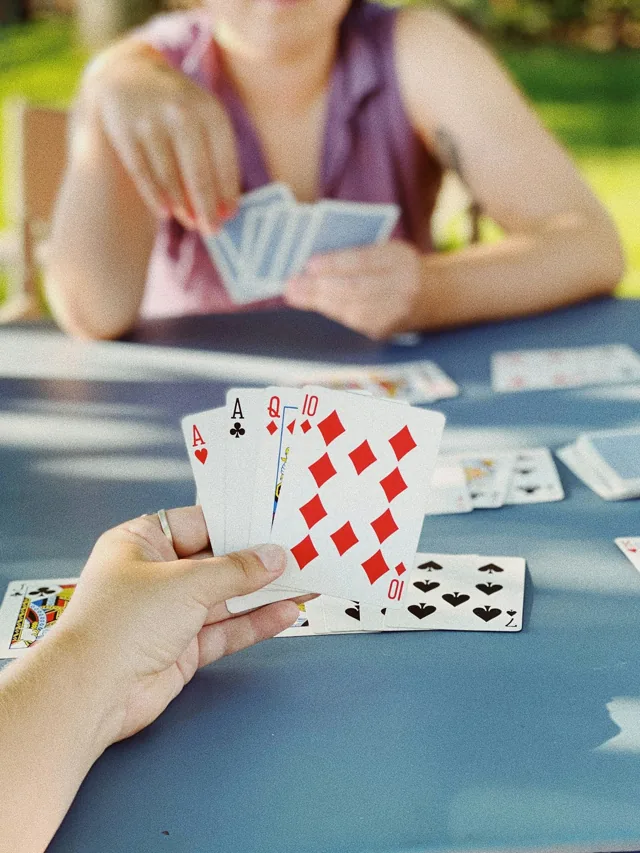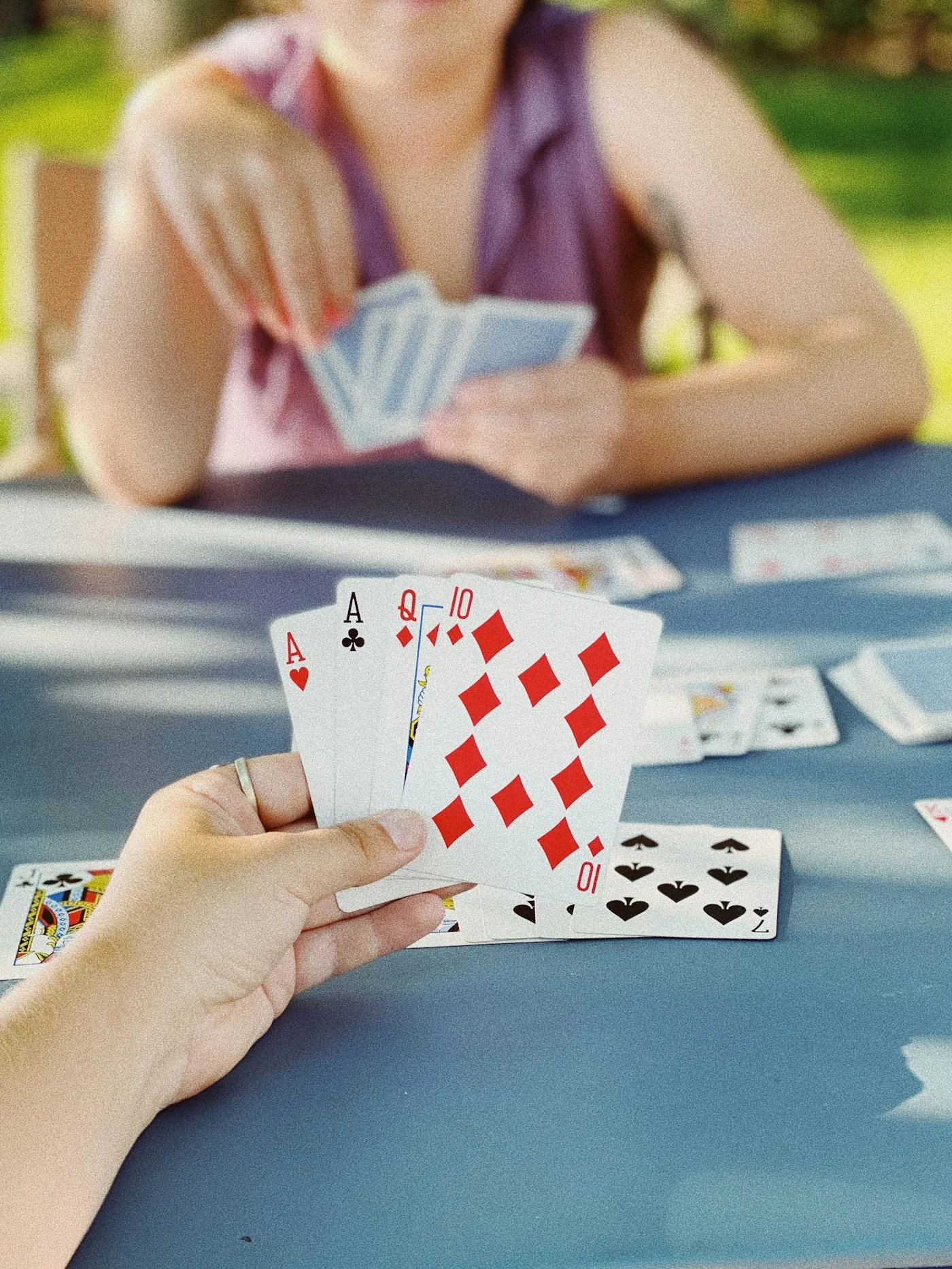
Games at an event need to fit the schedule, room, and changing group more than a fixed game-night collection does. Start with the role of the activity: a quick welcome, a shared centerpiece, or optional play at a side table.
What to compare
Event flow
Check setup time, teaching time, round length, and a clear ending. Leave room for food, arrivals, announcements, and other planned activities.
Group movement
Consider late arrivals, people stepping away, and different levels of interest. Choose a format that can accommodate these changes.
Host requirements
Identify who explains the rules, handles scoring, supplies materials, and resolves questions. Prepare a simple written reference if the host cannot stay at every table.
A detail worth checking
A game that works well with close friends may need a different introduction and content review at a mixed event. Plan for the actual audience.
Make your next session easier
Run through the activity once before the event, pack spare basic materials, and prepare a shorter version using only rule-supported stopping points.