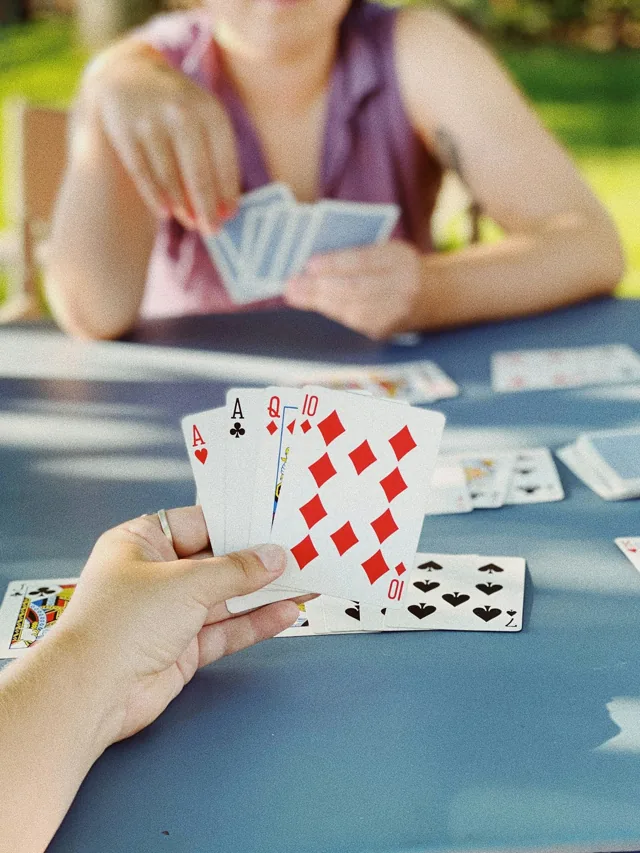
Small-group party games need to keep every person involved without relying on a large audience. Start with the exact number of people and the kind of interaction they enjoy.
What to compare
Participation structure
Check whether the game uses individuals, pairs, rotating roles, or teams. Confirm what happens when the group has an odd number of people.
Social demands
Compare conversation, bluffing, wordplay, trivia, drawing, and performance. Ask which activities people want to avoid before making a selection.
Round length
Look for a clear place to stop or switch games. Short rounds can make it easier to include late arrivals or try a different format.
A detail worth checking
A game that technically supports a player count may depend on a particular team split or social dynamic. Read the actual setup for your number.
Make your next session easier
Offer two different styles and let the group choose. Explain the first round with a concrete example and make passing or sitting out comfortable.