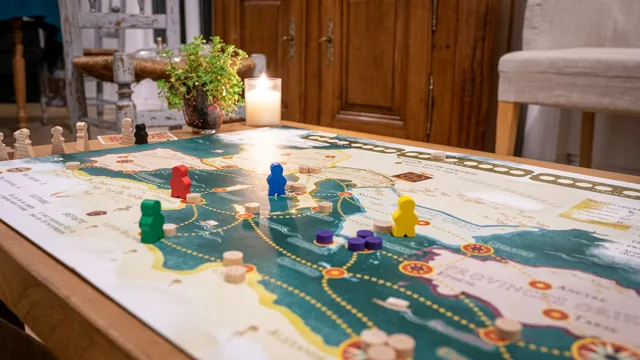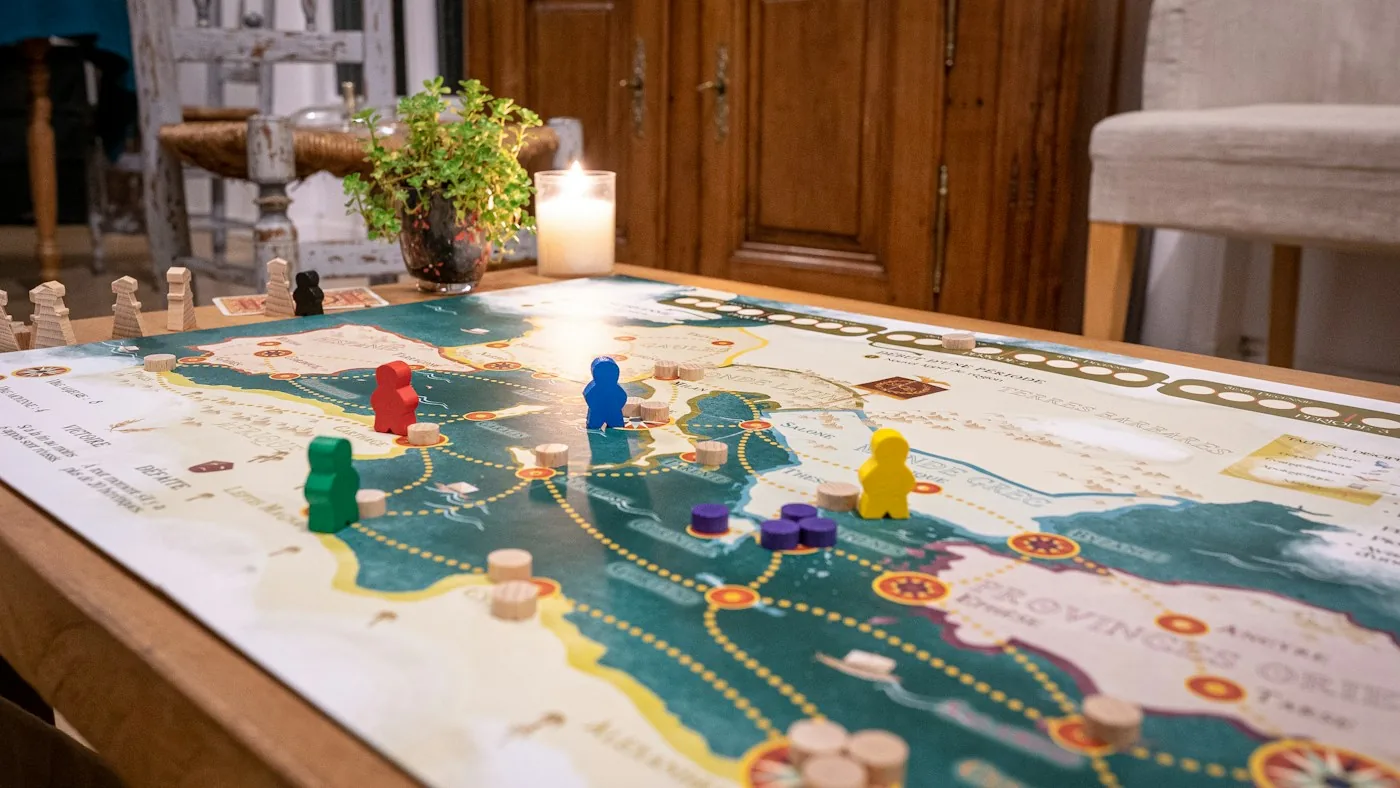
A game for two should give both people an evening they want to repeat. Start with the relationship at the table: direct competition, a shared challenge, a quiet parallel puzzle, or a conversation around light decisions.
What to compare
Designed for two
Check whether two players use the normal rules, a special variant, or an automated third position. Each can work, but they create different amounts of upkeep.
Table footprint
Include hand space, discard piles, personal boards, and any shared market. A compact box can still spread across a large table.
Rematch rhythm
Consider how soon you can reset and whether one player gaining experience will dominate later games. A good fit depends on your preferred pace, not just the printed duration.
A detail worth checking
A broad player range is not evidence that the two-player mode is the right choice for you. Compare actual rules for two and check whether all included scenarios support it.
Make your next session easier
Choose a short first session with enough time for a rematch. Use the second play to judge whether the decisions become more interesting once both people know the rules.