A deck-building game usually asks you to improve a personal deck during the session. You begin with a starting set, acquire cards through play, and encounter those additions as the deck cycles. Buying the physical game and buying a card with in-game resources are different transactions.
Follow one card through the game
In Dominion’s second-edition rules, players begin with seven Copper and three Estate cards. The central supply offers cards to acquire. A purchased card normally goes to your discard pile, so it enters the deck’s future cycle rather than automatically becoming playable that instant.
That delay is central to the decision. You are changing the mix of things you may draw later. Adding a useful card can improve future hands, but adding many different cards can also make a particular combination less frequent. The exact probabilities depend on the deck and draw rules, so do not read a general claim of consistency as a measured result.
| Term | When the selection happens | Purchase question |
|---|---|---|
| Deck building during play | The deck changes as part of the game’s rules. | Does this box contain a complete playable supply? |
| Deck construction before play | Players prepare their deck before the session. | What cards or starter products must each player own? |
| Collectible distribution | Products may contain different cards or randomized packs. | What exactly is guaranteed in the product? |
Understand a normal session
The current Dominion base product is a defined second edition. Its rules organize turns into action, buying and cleanup, with a fresh hand afterward. The physical cards remain part of the game; spending a Treasure card’s buying power does not consume or destroy that card.
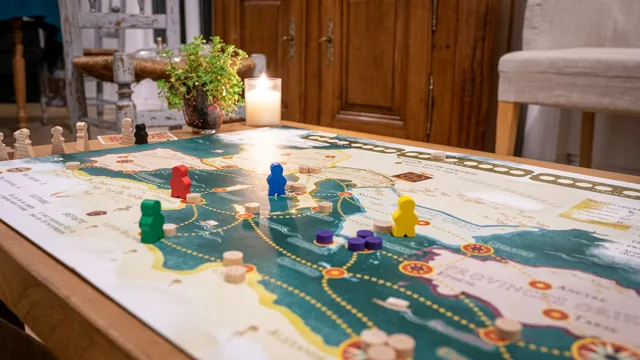
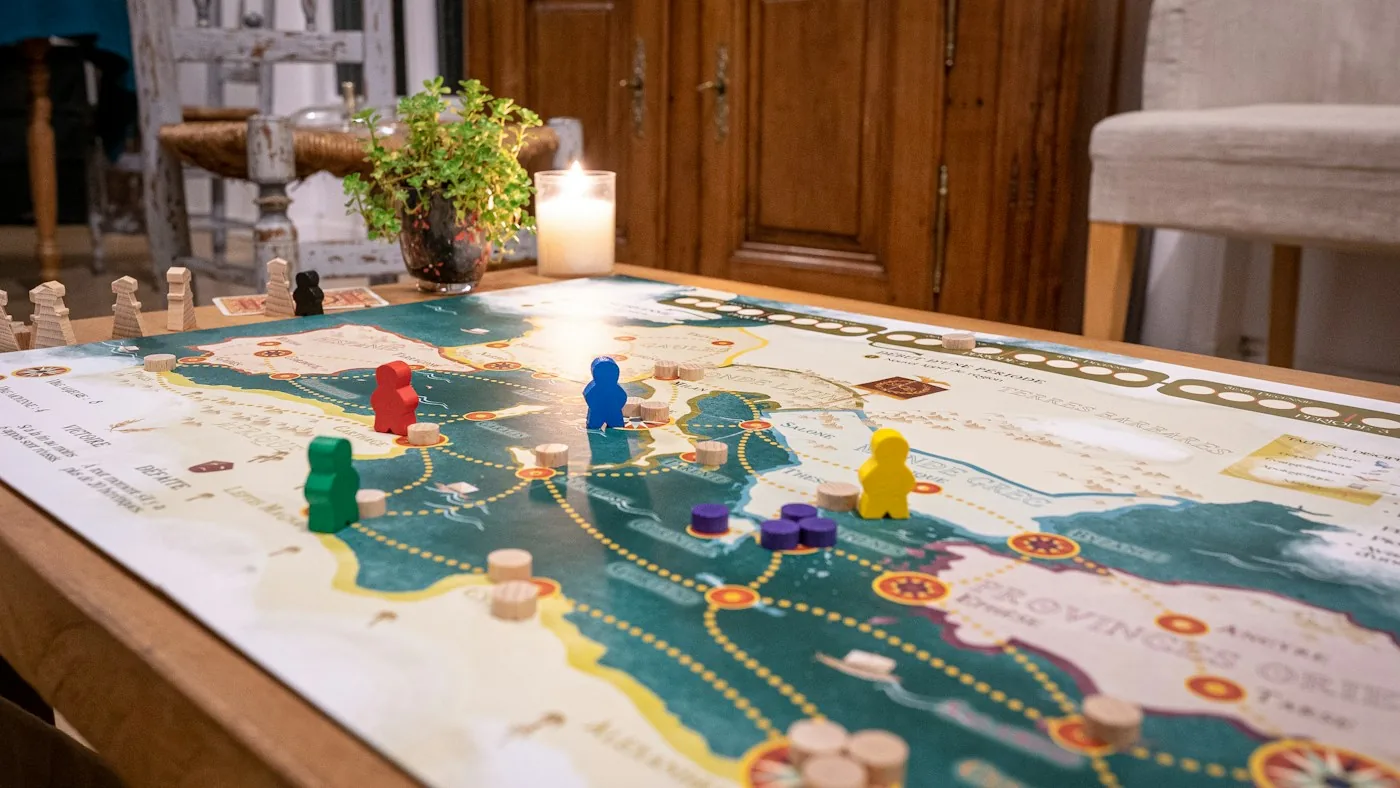
The objective is separate from acquiring the largest deck. In a deck-building design, you might pursue points, defeat an opponent, travel across a map or complete a cooperative task. Read the actual victory condition before deciding which purchases are useful. A card that produces resources is not automatically valuable if the game ends before it helps.
Check what comes in the box
Look for an explicit base-game or standalone statement. An expansion may contain many interesting cards while omitting the starting decks or common resources required to play. Compare the product code and contents with the rulebook, especially for a used copy or a bundle with several similarly named boxes.
A fixed box does not obligate you to keep buying expansions. Decide whether the supplied variety suits your group before expanding it. Conversely, do not promise that every product described as a deck builder is self-contained; the distribution model and game mechanism are separate facts.
Choose the interaction you want
Some deck-building games focus on competing for a shared selection. Others include direct attacks, cooperative threats or movement on a board. Inspect representative card text and a sample turn. If you dislike frequent reading or tracking several triggered effects, the word cards alone will not reveal whether the design suits you.
Also consider shuffling, discard space and sorting at the end. Sleeves may change handling and storage dimensions. Use the exact card sizes and counts if you decide to protect the cards, rather than assuming a universal standard.
A useful first purchase
Choose one complete game whose objective and repeated card cycle make sense to you. Learn the recommended starting configuration before evaluating additional sets. Keep a record of what you liked: choosing from a market, combining effects, thinning the deck or racing an opponent. Those preferences will guide the next purchase more clearly than a list ranked only by theme.
Sources and method
This guide uses the primary publisher or manufacturer sources below, checked November 2, 2026. The selection criteria and examples are editorial analysis. This guide does not include hands-on tests, measured play or setup times, or universal rankings.
- Rio Grande Games Dominion second edition: product identity and contents
- Dominion second edition official rules: starting deck, supply, turn phases and setup
We may earn a commission when you purchase through links on this page. As an Amazon Associate I earn from qualifying purchases.