When the goal is less running, start with the actions people must perform during a whole game. Throwing from one position may still involve walking to the target, bending to collect pieces or handling a heavy set. A turn-based format is a useful filter, not a universal accessibility rating.
Compare the activity pattern
| Game | Main actions to consider | What to discuss with the group |
|---|---|---|
| Bocce | Deliver a ball, move between ends and retrieve equipment. | Grip, ball weight, walking distance and who handles collection. |
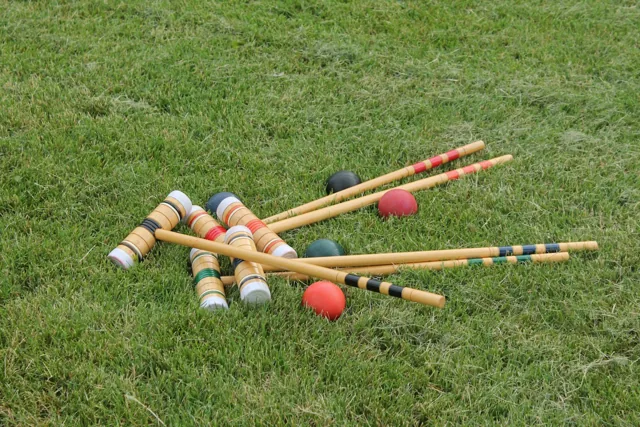
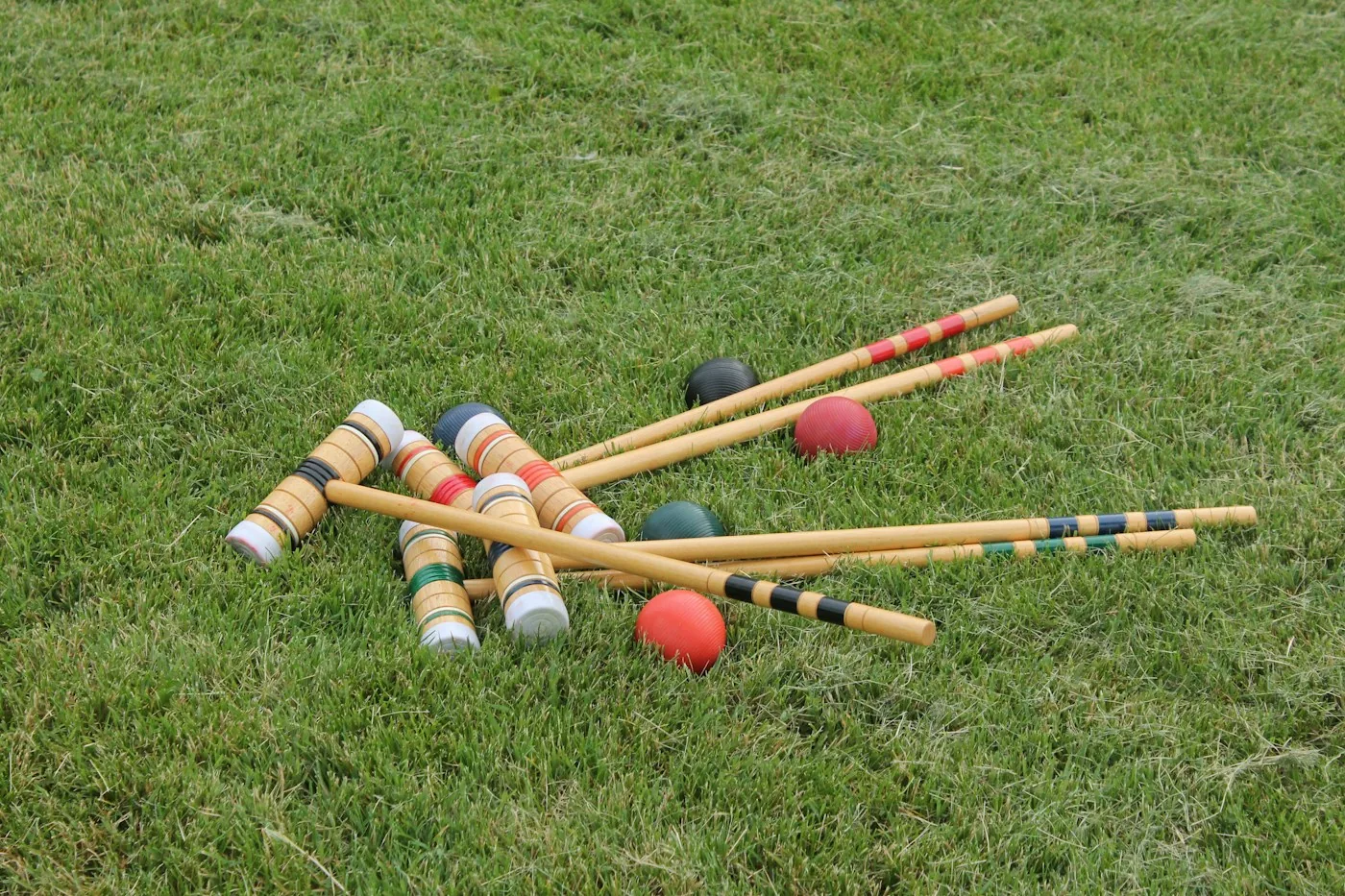
| Croquet | Walk to the ball, position a mallet and strike through the course. | Lawn surface, reach, bending and total course length. |
| Ring toss | Throw or swing a ring, then collect or reset it. | Mounting height or target distance and retrieval route. |
| Roundnet | React to rallies and move around the net. | Whether that movement matches the reason you wanted limited running. |
The comparison follows the cited bocce procedures, USCA’s Golf Croquet description, Ringaard’s setup and Spikeball’s roundnet rules. It describes actions rather than predicting how easy they will feel for a particular person.
Separate playing from handling the kit
A person may enjoy taking a turn but not carrying the set from storage. Decide who handles setup, collection and packing. If another participant retrieves equipment between turns, agree on that role rather than quietly assuming the same person will do it all afternoon.
Check the exact product’s weight and dimensions. Do not substitute a lightweight-looking photograph for a specification, and do not assume a smaller diameter automatically gives everyone a comfortable grip. Where possible, try the intended component with the people who will use it.
Use adaptations transparently
A shorter throwing line, smaller course or shared retrieval role can be a proposed house arrangement. Agree on it before scoring begins and keep the maker’s use and age instructions in force. An adaptation that changes distance does not automatically establish suitability for someone with a particular physical limitation.
For organized adaptive sport, use the relevant organizer’s actual rules and equipment guidance. The Special Olympics bocce source, for example, includes its own provisions for ramps and assistance. That documented competition arrangement should not be converted into improvised equipment advice for an unrelated product.
Choose the session, not just the game
- Ask each participant which actions they want to perform or avoid.
- Check the surface and the route between turns.
- Provide a clear place to wait that is outside the play path.
- Agree on breaks and how someone can leave without disrupting the group.
- Test a short practice round before committing to a long score target.
For a group that wants conversation and deliberate turns, a target or course game may be a better starting point than a rally game. That is a format preference. We have not measured exertion, assessed medical suitability or certified any set as accessible to everyone.
Plan the next step
Explore Active Family Games for related choices. Record equipment dimensions, playing area and storage space separately; none of them substitutes for the others.
Sources and method
Rules-body and manufacturer sources checked November 2, 2026. Buying criteria, layout arithmetic and proposed house rules are editorial analysis. This guide does not include hands-on play, weather exposure, durability or accessibility testing.