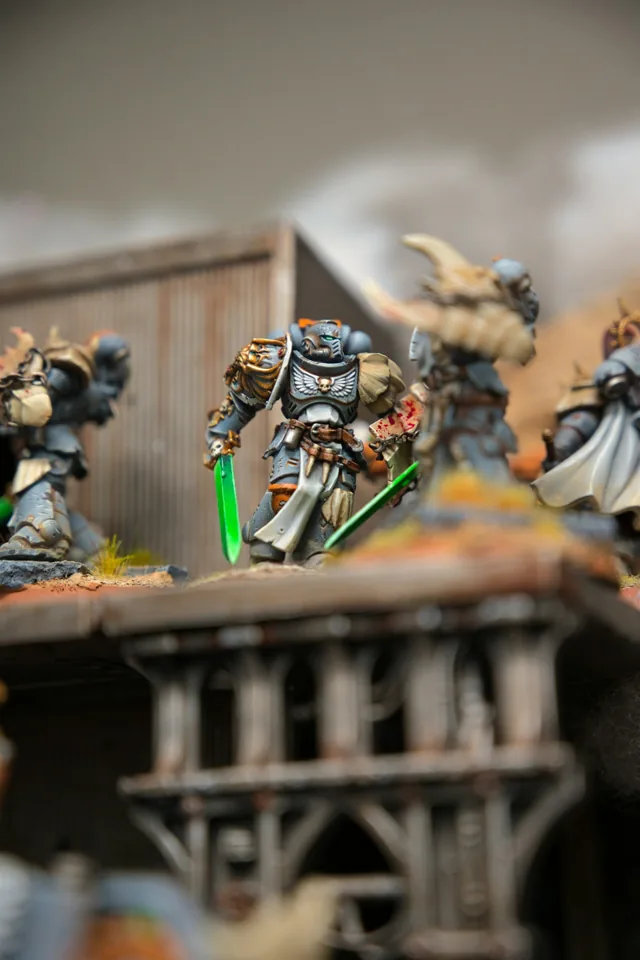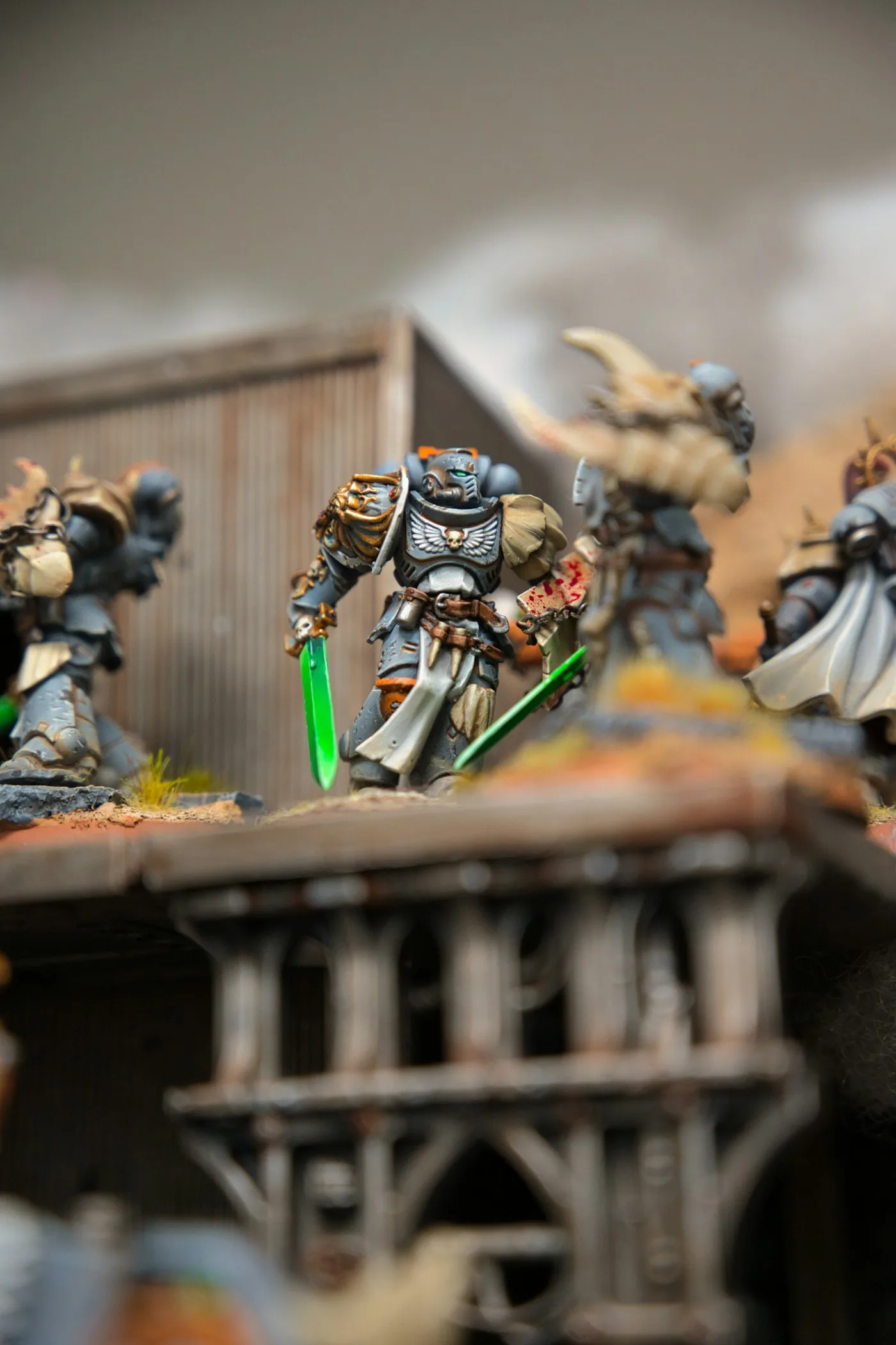
Reusing fantasy miniatures across systems depends on physical fit, clear representation and the rules of the people running the game. Similar-looking swords or monsters do not establish universal compatibility.
Separate three meanings of compatible
A miniature can fit on the table, represent a unit clearly and still fail an event’s model policy. Check these questions independently. A home group may accept a labeled substitute while a tournament may require a specific base, manufacturer or equipment representation. Neither decision automatically applies elsewhere.
| Layer | What to verify |
|---|---|
| Physical | Actual base shape and dimensions, height and room on terrain |
| Rules representation | Which unit it stands for and how equipment or variants are identified |
| Permission | The current organizer’s requirements and any conversion approval |
| Collection use | Whether changing the base would disrupt another game you play |
Use current rules, not a universal base chart
Age of Sigmar’s official download hub provides current rules and battle-profile material. Check the named unit there rather than using an old internet chart for every sculpt. D&D’s free rules explicitly permit simple substitutes for miniatures, but that flexibility cannot be transferred into a competitive wargame’s event policy.
Warhammer World’s published model-requirements document is an example of an organizer applying additional standards. It is an older document, so use the specific current event pack for a live eligibility decision rather than treating this linked example as a universal 2026 rule.
Make substitutions easy to understand
For casual play, agree beforehand on the represented unit, base footprint and any unusual height or equipment. Provide a simple reference if several similar figures mean different things. Avoid making opponents remember an ambiguous mapping during play. If cross-system use is the purchase goal, check both systems before rebasing or buying a large collection; a removable adapter may be worth investigating, but its suitability must be confirmed.
Sources and method
This is a researched decision guide. Product facts were checked against the primary sources below on November 2, 2026. Selection advice and worked examples are editorial reasoning. This guide does not include hands-on testing.