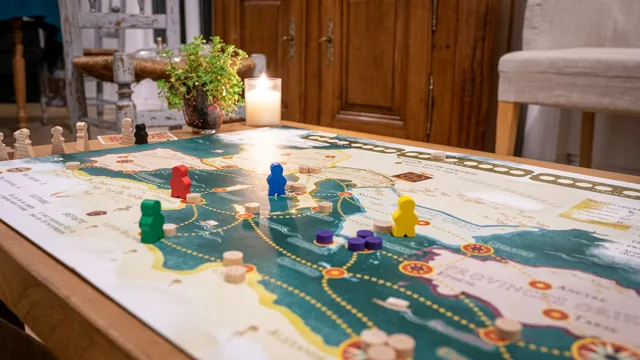
For a first worker-placement game, choose an action system you can explain, a theme that makes those actions understandable, and a level of competition your group welcomes. The presence of wooden workers does not tell you how many rules, scoring systems or setup steps the game contains.
Understand the repeated decision
In worker placement, committing a worker typically gives access to an action or benefit. Limited spaces can make timing important: an attractive action may be taken before you return to it. The exact limits, exceptions and retrieval rules come from the individual rulebook.
When comparing products, follow one complete worker through a round. Where can it go, what does it cost, when does the benefit happen, and when can that worker act again? A game with a clear answer to those questions gives you a useful starting point for learning the rest.
| Candidate | Verified structure | Reason to investigate |
|---|---|---|
| Stone Age | Place figures, resolve their locations, then feed the tribe. | You want to understand placement and resolution as separate stages. |
| Viticulture Essential Edition | Allocate workers to vineyard tasks across summer and winter. | You like a production theme with seasonal planning and task competition. |
Two introductions with different demands
Stone Age’s official rules separate placement, actions and feeding. Some locations accept a single figure, while resource locations have different capacities. Dice are part of resource collection. This creates a concrete lesson: placement can reserve an opportunity without guaranteeing the same yield every time.
In Viticulture Essential Edition, workers support tasks such as planting vines, constructing facilities and filling wine orders across seasons. The thematic sequence may help you understand what you are building toward, but it also introduces dependencies between actions. We have not timed a teaching session for either game.
Read the competition before buying
Check whether a rival can fully block an action, merely take a bonus, or make you pay more. Then check what alternatives remain. Some players enjoy adapting when a plan is interrupted; others prefer more room to carry out a personal plan. Neither preference requires a universal difficulty ranking.
Look at the scoring structure as well. Can you understand why a useful action helps you win, or must you interpret several multipliers and end-game bonuses? A short turn can still involve a demanding choice if the consequences depend on many systems.
Count the preparation you will actually do
Read the setup diagram and inventory the tasks: sort resources, prepare decks, choose player-count spaces and distribute starting materials. A published playtime does not tell you how long an unfamiliar group will need for those steps. Keep first-time unpacking separate from ordinary setup.
For a first evening, use the publisher’s introductory setup where one is provided. Leave optional expansions out until you know the base system well enough to assess what they add. This is a learning plan, not a claim that expansions are inherently too difficult.
Choose on evidence you can inspect
Pick Stone Age if its placement/action sequence and resource system appeal to you. Investigate Viticulture if you want seasonal production and can commit to learning the linked tasks. Before purchasing either, verify the exact edition, player count, language and table requirements.
If you cannot explain the main worker cycle from the official materials, watch a publisher tutorial or examine a full example turn. Treat statements such as easiest or teaches in five minutes as unverified unless the review explains who learned it and how that time was measured.
Sources and method
This guide uses the primary publisher or manufacturer sources below, checked November 2, 2026. The selection criteria and examples are editorial analysis. This guide does not include hands-on tests, measured play or setup times, or universal rankings.
- Z-Man Games Stone Age: worker placement, limited spaces and product specifications
- Stone Age official English rulebook: placement, actions and feeding phases
- Stonemaier Games Viticulture Essential Edition: seasonal worker allocation and English edition
We may earn a commission when you purchase through links on this page. As an Amazon Associate I earn from qualifying purchases.