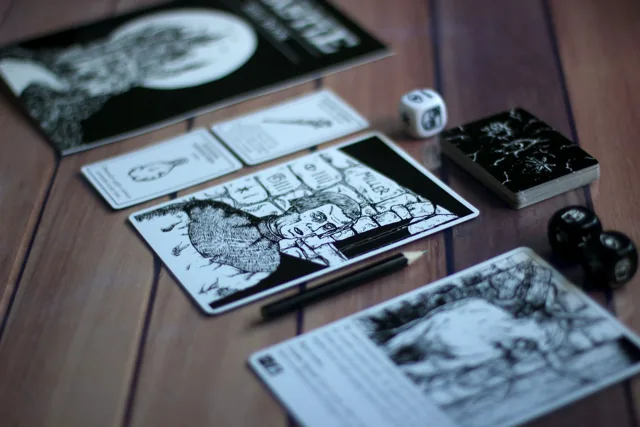
Start with the decision you need to make, then open an exact-edition guide for contents, requirements, limitations, and sources. These guides are research-based; they do not claim a hands-on play session.
We may earn a commission when you purchase through links on this page. As an Amazon Associate I earn from qualifying purchases.
Department pages explain the choices that matter across tabletop, screen-based, solo, cooperative, family, social, and outdoor play. Product coverage expands as the research is completed.
Assess a secondhand RPG adventure as a set of required materials, not just a readable book. Missing maps, marked handouts or an already-redeemed code can change the useful…
Choose an RPG purchase format by what it lets you do at the table. A physical book, downloadable PDF, digital compendium and virtual tabletop module can contain similar…
Choose a tabletop RPG by the decisions you want to make during play. A familiar setting is a useful invitation, but the recurring procedure determines whether a group…
Before buying another D&D book, identify the rules your group uses and the specific material you want from the purchase. An older adventure, an older subclass and an…
An adventure book provides a situation to run; it may not provide every rule, character option or creature needed to run it. Build a dependency list from the…
Choose a D&D starter by the rules generation, group size and teaching format you want. Heroes of the Borderlands is the newer starter route; Dragons of Stormwreck Isle…
For one Dungeon Master and one player, choose an adventure with an explicit small-group procedure before choosing the setting. Two people at the table do not automatically equal…
A GM-less RPG shares or structures duties that a dedicated game master might otherwise perform. Choose one by how it assigns scene creation, opposition and resolution, not by…
Use an official quick-start to evaluate a game’s actual procedure before buying its full rules. The key question is whether the sample demonstrates the kind of play you…
A one-shot is a promise about a contained experience; a campaign is a promise about continuity. Choose according to the number of meetings your group can reliably schedule,…
Choose the Pathfinder Beginner Box for a packaged first adventure and teaching materials. Choose the core-book route when someone is ready to assemble the rules references, adventure and…
Pathfinder Remaster compatibility starts with the edition, then the role of the book. Confirm that a listing is for Pathfinder Second Edition before applying Paizo’s Remaster guidance to…
For a group with changing attendance, choose adventures with clear entry points, short objectives and an explicit advancement policy. A series of short episodes is useful only if…
Buy an RPG book for the job you need it to perform. A rulebook explains procedures, a setting book supplies a world, and an adventure supplies situations to…
Buy RPG figures to communicate the information your game needs. Identifiable tokens can be sufficient for position tracking; detailed miniatures add visual appeal but do not automatically make…
Compare RPG complexity by following one action from intent to consequence. Page count and a “rules-light” label cannot tell you how much interpretation, arithmetic or reference work your…
Choose a solo RPG by the activity you want between prompts: interpreting uncertainty, writing a character’s life or following a designed adventure. Solo support describes a play mode,…
A first RPG night needs an agreed game, its usable introductory rules, a way to represent characters, any required randomizers, and people who understand their roles. Miniatures, a…